
Perfume Oil vs Eau de Parfum: Which Fragrance Is Right for You?
Choosing a fragrance is about more than finding a scent you love. Explore the key differences between pure perfume oils and eau de parfum, from application rituals to longevity.
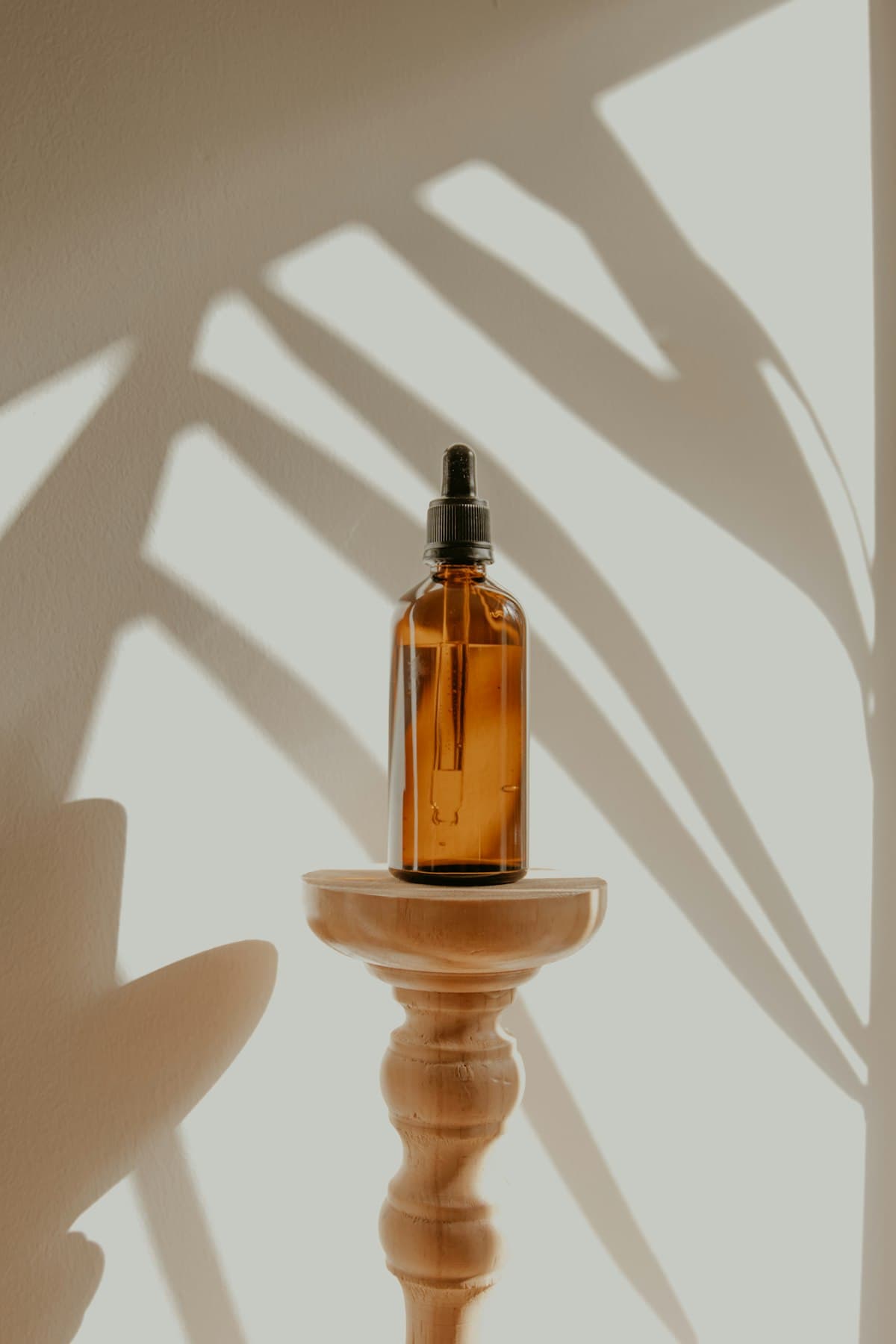
Choosing a fragrance is about more than finding a scent you love. The way a fragrance is formulated, applied and experienced throughout the day can be just as important as its notes.
Two popular formats are perfume oils and eau de parfum (EDP). Both can offer sophisticated fragrance experiences, but they differ in their composition, application and typical scent projection.
Whether you are exploring luxury fragrances in Australia or discovering niche perfumery from anywhere in the world, understanding these differences can help you choose a scent that fits your personal style.
What Is Perfume Oil?
Perfume oil is a fragrance format in which aromatic ingredients are carried in an oil-based or other suitable lipid formulation. Depending on the product, it may be designed for direct skin application or another specific use.
Oil-based fragrances are often applied using a rollerball, dropper or precision applicator wand. Their compact format makes them convenient for travel, fragrance discovery and personal scent rituals.
Many perfume oils create a relatively intimate scent experience, although their projection and longevity depend on the formula, concentration, ingredients and individual wearer.
For people who appreciate warm woods, rich amber, soft musk, floral accords or oud-inspired compositions, perfume oils offer an interesting way to explore fragrance.
What Is Eau de Parfum?
Eau de parfum is a traditional fine-fragrance category, commonly formulated with aromatic materials suspended in an alcohol-based solution. Some products use different formulations, so it is always worth checking the individual label.
EDP is typically applied as a spray, making it easy to distribute fragrance over several areas. Depending on the composition, an eau de parfum can create anything from a subtle personal scent to a noticeable fragrance trail.
Spray fragrances are available across a wide range of scent families, including citrus, aquatic, floral, woody, spicy and gourmand.
Perfume Oil vs EDP: The Main Differences
| Feature | Perfume Oil | Eau de Parfum (EDP) |
|---|---|---|
| Application | Dabs, drops or rollerball | Usually a spray atomiser |
| Fragrance experience | Often closer to the skin, intimate aura | Can offer broader projection and sillage trail |
| Portability | Compact and convenient for travel | Depends on flacon size and aerosol limits |
| Scent development | Unfolds with cutaneous body heat | Rapid top note burst followed by dry-down |
| Longevity | Varies by formulation; often 10–14 hours | Varies by concentration; typically 4–8 hours |
| Best for | Precise application and personal fragrance rituals | Spray application and adjustable coverage |
Neither format is automatically superior. A carefully composed perfume oil can be beautiful, just as a well-made EDP can deliver exceptional depth and character.
Which Fragrance Lasts Longer?
This is one of the most common questions fragrance shoppers ask.
There is no universal rule that every perfume oil lasts longer than every eau de parfum. Longevity depends on the aromatic materials, formulation, application amount, skin condition, temperature and surrounding environment.
To compare two fragrances fairly, apply them according to their instructions and assess the scent at the same intervals. Notice not only whether you can still smell them, but also how their character changes over time.
Remember that you can become accustomed to a fragrance without it having completely disappeared (olfactory fatigue). This is one reason fragrance performance is best judged carefully rather than through a single quick impression.
Choosing a Fragrance for Your Lifestyle
- For everyday wear: Consider fresh citrus, clean musk, light woods or soft floral compositions. A discreet application may suit shared professional workspaces.
- For evenings: Amber, oud, vanilla, spice and deeper woody accords can create a warmer, more enveloping impression.
- For travel: A compact perfume oil may be convenient for touch-ups, subject to applicable transport rules.
- For warm climates: Start with a moderate application and see how the fragrance develops in heat and humidity. Stronger application is not always better.
- For gifting: Consider the recipient's preferred scent families, preferred application format and whether they enjoy subtle or expressive fragrances.
Discover Your Signature Scent
At Kingshyer, fragrance is an exploration of character, atmosphere and personal expression. Our scented-oil collection offers a starting point for discovering compositions suited to different moods and occasions.
Explore our handcrafted extracts in the Kingshyer Scented Oils Boutique and discover related masterworks like The Art of Attar and our guide on How to Layer Fragrance Oils.
Discover 100% Alcohol-Free Pure Perfume Oils
Handcrafted in micro-batches in Canberra. Pure botanical resins, zero ethanol, and 12+ hours of intimate skin presence.
Frequently Asked Questions
Inquiries regarding the topics, science, and recommendations discussed in this guide.
Related Guides
Luxury Fragrance Notes Explained: Oud, Amber, Musk, Vanilla and Woody Scents
What makes a fragrance smell luxurious? Explore the character of aged oud, resinous amber, skin-like musk, creamy vanilla, and noble woods to decode your ideal scent profile.
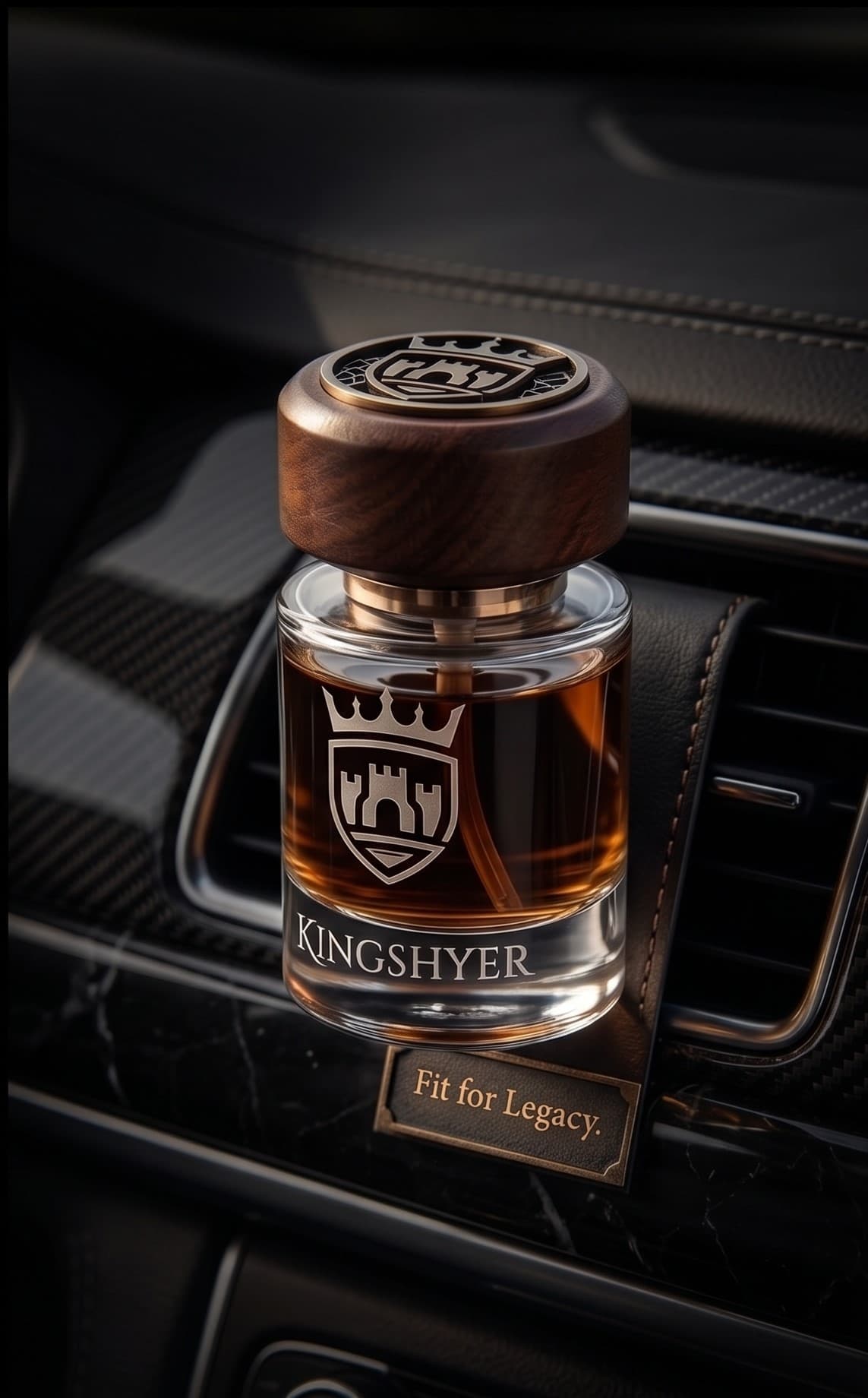
Best Luxury Car Fresheners: How to Choose a Refined Scent for Your Car
A vehicle is more than transportation—it is a private sanctuary. Learn how to choose a luxury car freshener, from volcanic stone diffusers to scent notes tailored for Australian heat.
A Gift Guide: Luxury Scented Oils & Car Diffusers for Him, Australia
Searching for an exceptional gift for the man who appreciates fine craft? Discover curated alcohol-free perfume oils and executive automotive diffusers.