How to Layer Perfume Oils: A Guide to Creating Your Signature Scent
True luxury is never generic. Learn how to combine complementary pure perfume oils on skin pulse points to craft an olfactory signature entirely your own.
The Philosophy of Olfactory Bespoke
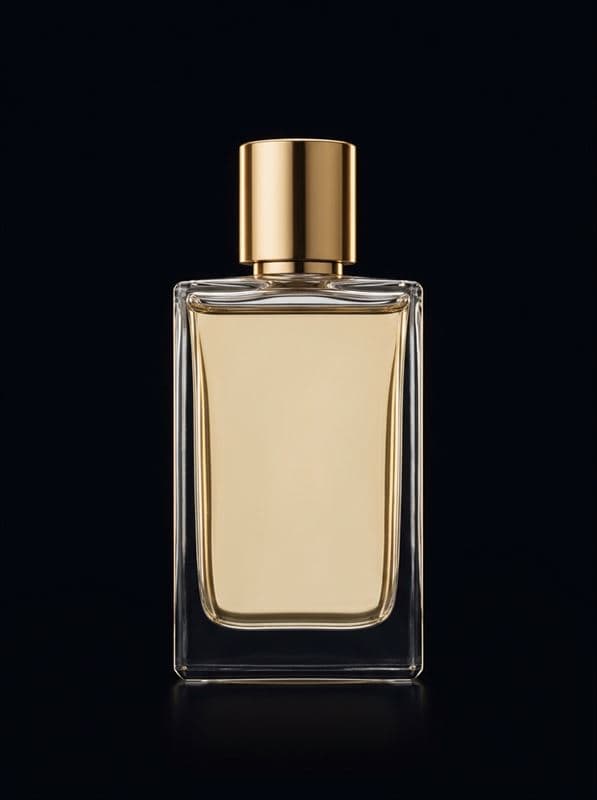
In a world saturated with mass-produced designer fragrances sold across thousands of duty-free airports and department stores, true distinction lies in the bespoke. Discerning individuals do not aspire to smell identical to every other person who purchased a seasonal best-seller. The supreme advantage of pure, alcohol-free concentrated perfume oils is their innate capacity for olfactory layering—the sophisticated art of combining two complementary fragrance accords directly on the skin to birth an exclusive personal signature.
Because KingShyer perfume oils contain zero volatile alcohol or clashing synthetic aerosol propellants, their botanical lipid structures meld seamlessly on the skin. The result is not an aggressive cacophony of conflicting scents, but a harmonious, three-dimensional olfactory aura that evolves uniquely with your body chemistry.
The Molecular Mechanics of Lipid Fusion
To understand why perfume oils layer with such extraordinary elegance compared to alcohol sprays, one must look at physical chemistry. When you spray two commercial alcohol colognes on top of each other, the high concentrations of ethanol (often 80% to 90% by volume) violently clash. The rapid evaporation of alcohol creates turbulence on the skin surface, causing the top notes of both perfumes to detonate simultaneously into a discordant, overwhelming chemical cloud.
In pure concentrated oils, the vehicle is not an evaporative solvent, but a stable botanical lipid matrix composed of jojoba esters and caprylic triglycerides. When you apply one pure oil followed by another, the two lipid layers do not fight; they dissolve into one another upon the stratum corneum. The aromatic molecules interlace in a single, unified lipid reservoir. As your natural body warmth heats this reservoir from beneath, the hybrid blend diffuses in smooth, linear harmony.
The Golden Rules of Fragrance Layering
To master the discipline of perfume oil layering, master blenders observe four foundational principles:
1. Respect Density: Heaviest Base First
Always apply the oil with the heaviest, densest molecular weight first. Deep resinous accords—such as aged agarwood, dark leather, benzoin, and rich amber—possess large molecular structures that anchor to the skin's lipid layer. If you apply a lighter, more volatile oil first, the heavier oil will smother its delicate top notes. Lay down your foundation with a drop of Royal Oud or Velvet Amber Oud, wait sixty to ninety seconds for the oil to temper with your skin heat, and then apply your complementary top-layer oil.
2. The Harmony of Contrasting Accords
Avoid layering two identical fragrance profiles—layering two pure citrus oils or two heavy vanilla scents simply doubles the volume without adding complexity. Instead, seek dynamic tension through complementary contrasts:
- Wood & Smoke + Sweet Amber: Pair the dry, smoked birch of Kingshyer Noir with the golden, balsamic warmth of Velvet Amber Oud. The resinous sweetness softens the austere smoke, producing an enigmatic, magnetic aura.
- Assam Agarwood + Crisp Citrus/Spice: Pair the earthy, animalic depth of pure Assam oud with a crisp touch of bergamot or crushed coriander. The spice cuts through the resin, elevating the top tier into crystalline vibrancy.
- Creamy Sandalwood + Leather: A warm Australian sandalwood base paired with rich saddle leather creates an understated, masculine executive presence ideal for boardroom negotiations.
3. Zonal Layering (Pulse Point Separation)
Layering does not mandate mixing two oils on the exact same square centimeter of skin. In fact, some of the most captivating olfactory effects are achieved via zonal distribution:
- Apply your richer, grounding base oil (such as Royal Oud) to your neck and upper chest, where body heat is highest and diffusion is contained beneath collar fabrics.
- Apply your brighter, more expressive oil (such as Kingshyer Noir) to your outer wrists and forearms, allowing hand gestures to disperse subtle wafts of aroma into the immediate conversation zone.
As you move through space, air currents blend these distinct aromatic streams around you, producing an intoxicating, shape-shifting sensory impression that captivates anyone within your orbit.
Curated Layering Recipes from the KingShyer Atelier
Noir & Velvet Amber
An aristocratic evening blend. The smoked birch and dark oud of Noir are tempered by the golden, honeyed benzoin of Velvet Amber Oud, creating a velvety, suede-like sillage.
Royal Oud & Smoked Birch
Unapologetic power and presence. Unites the ancient regal agarwood of Assam with dry, smoky leather accents. Designed for formal black-tie events and autumn evenings.
Cross-Category Layering: Harmonizing Personal Scent with Vehicle Interiors
The ultimate frontier of olfactory layering transcends personal skin application to encompass your complete physical environment. For the modern Australian professional who spends considerable time commuting between client meetings, corporate offices, and private residences, establishing sensory harmony between personal fragrance and the vehicle cabin creates an extraordinary impression of holistic luxury.
Consider the synergy between your personal pulse points and an executive car diffuser such as the King Vapourizer or KingShyer Air Card. If your vehicle cabin is gently scented with clean cedarwood and crisp amber, stepping inside while wearing a wrist application of Kingshyer Noir does not create olfactory clash. Instead, the ambient woody notes in the cabin elevate the smoked birch on your skin, reinforcing your presence and establishing an unforgettable sensory environment.
Common Mistakes to Avoid When Layering
- Over-Application: Because KingShyer extracts boast an extraordinary 25% to 35% aromatic density, more is never better. A single micro-drop of each oil is sufficient to command presence all day.
- Vigorous Rubbing: Never grind your wrists together after applying layered oils. Friction generates localized heat that shears delicate top notes and crushes the natural harmonic interplay between the two formulas.
- Pre-Mixing Bottles: Never pour two different flacons into a single container. Doing so destabilizes the precision balance calibrated by our master perfumers during weeks of micro-batch maceration. Always let the layer synthesize upon your living skin.
Curating Your Seasonal Layering Repertoire
Just as an executive wardrobe transitions seamlessly between winter cashmere overcoats and breathable summer linens, your fragrance layering should respond to the rhythm of Australian seasons:
- Southern Winter (Melbourne & Hobart): Deepen the base by doubling down on resinous amber and Assam oud. The cold air provides a crisp backdrop against which heavy woods project with majestic warmth.
- Midsummer Warmth (Sydney & Brisbane): Lean heavily into the dry, smoked woods and lighter resinous accords, allowing body heat to project the fragrance effortlessly without turning cloying.
- Spring Renewal: Pair bright aromatic spices with soft sandalwood bases to create an invigorating, optimistic sensory aura suited for outdoor events and business lunches.
Immerse yourself in our complete collection and curate your personal layering palette at the KingShyer Scented Oils Boutique.
The Science of Evaporative Co-Distillation on Skin
When two distinct perfume oils are layered on human skin, an intriguing organic phenomenon known as co-distillation occurs. In fluid dynamics, when two immiscible or semi-miscible organic liquids share a heated surface, the higher-boiling-point liquid alters the vapor pressure of the lower-boiling-point liquid. In practical terms, when you layer the heavy resinous amber of Velvet Amber Oud underneath the smoked birch top notes of Kingshyer Noir, the dense amber molecules physically slow down the evaporation of the lighter birch terpenes.
The result is a synergistic extension of the top notes: you enjoy the crisp, smoky sparkle of Noir for up to four hours instead of two, while the golden amber base develops an intoxicating, three-dimensional complexity that neither fragrance could achieve in isolation. This biochemical marriage demonstrates why layering oils is a creative science rather than mere guesswork.
Curating Your Seasonal Rotation in Australia
Australian geography encompasses an immense spectrum of climate zones—from the cool temperate maritime climates of Southern Victoria and Tasmania to the Mediterranean warmth of Western Australia and the tropical humidity of Northern Queensland. A sophisticated fragrance enthusiast adapts their layering strategies to match this climatic tapestry:
- Southern Winter (Melbourne & Canberra): Lean into rich, grounding pairings. Apply a generous foundation of Assam agarwood from Royal Oud, capped with warm benzoin and amber. The bracing winter chill sharpens the woody facets, creating an enveloping, aristocratic warmth.
- Coastal Summer (Sydney & Brisbane): Emphasize transparency and crisp structure. Use a delicate base of clean cedarwood and light amber, layering a single micro-drop of smoked birch to create a breezy, executive aura that remains refreshing in high humidity.
The Science of Evaporative Co-Distillation on Skin
When two distinct perfume oils are layered on human skin, an intriguing organic phenomenon known as co-distillation occurs. In fluid dynamics, when two immiscible or semi-miscible organic liquids share a heated surface, the higher-boiling-point liquid alters the vapor pressure of the lower-boiling-point liquid. In practical terms, when you layer the heavy resinous amber of Velvet Amber Oud underneath the smoked birch top notes of Kingshyer Noir, the dense amber molecules physically slow down the evaporation of the lighter birch terpenes.
The result is a synergistic extension of the top notes: you enjoy the crisp, smoky sparkle of Noir for up to four hours instead of two, while the golden amber base develops an intoxicating, three-dimensional complexity that neither fragrance could achieve in isolation. This biochemical marriage demonstrates why layering oils is a creative science rather than mere guesswork.
Curating Your Seasonal Rotation in Australia
Australian geography encompasses an immense spectrum of climate zones—from the cool temperate maritime climates of Southern Victoria and Tasmania to the Mediterranean warmth of Western Australia and the tropical humidity of Northern Queensland. A sophisticated fragrance enthusiast adapts their layering strategies to match this climatic tapestry:
- Southern Winter (Melbourne & Canberra): Lean into rich, grounding pairings. Apply a generous foundation of Assam agarwood from Royal Oud, capped with warm benzoin and amber. The bracing winter chill sharpens the woody facets, creating an enveloping, aristocratic warmth.
- Coastal Summer (Sydney & Brisbane): Emphasize transparency and crisp structure. Use a delicate base of clean cedarwood and light amber, layering a single micro-drop of smoked birch to create a breezy, executive aura that remains refreshing in high humidity.
Discover 100% Alcohol-Free Pure Perfume Oils
Handcrafted in micro-batches in Melbourne. Pure botanical resins, zero ethanol, and 12+ hours of intimate skin presence.
Frequently Asked Questions
Inquiries regarding the topics, science, and recommendations discussed in this guide.
Related Guides
The Art of Attar: The History & Craft of Pure Concentrated Perfume Oils
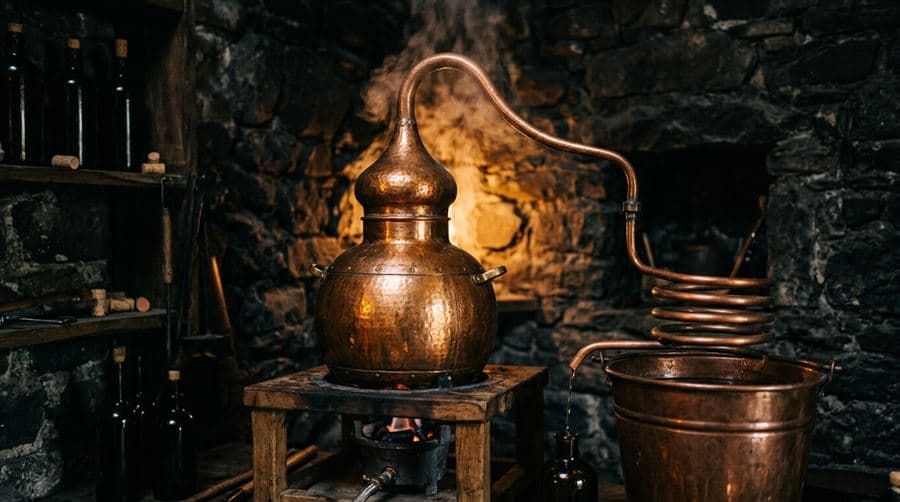
Centuries before industrial mass perfumery introduced pressurized alcohol sprays, olfactory masters practiced hydro-distillation into pure botanical carrier oils.
Car Diffusers vs. Traditional Fresheners: The Evolution of Automotive Scent
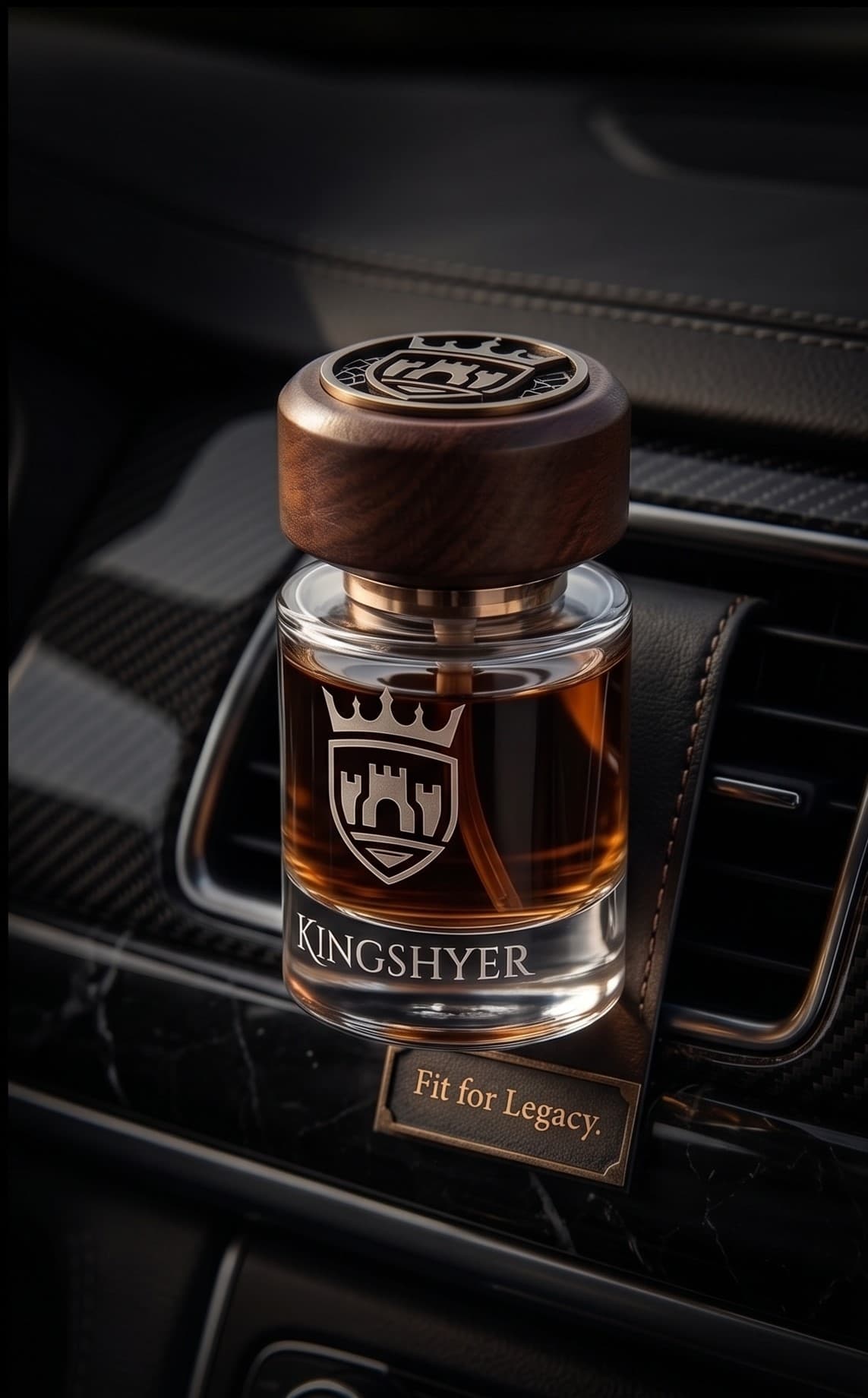
For decades, automotive scent was dominated by cheap chemical cardboard trees that delivered an overwhelming synthetic blast for two days before drying into useless waste.
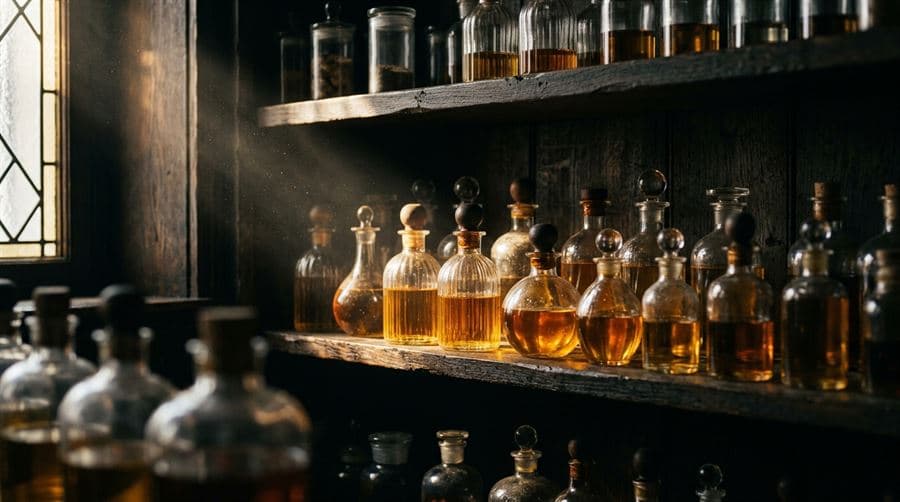
The Olfactory Pyramid: Understanding Top, Heart, and Base Notes in Pure Oils
Discover the chemistry of olfactory volatility. Understand why pure concentrated oils bloom differently than mass-market alcohol colognes across the fragrance pyramid.