Perfume Oil vs. Spray: Why Concentrated Oil Lasts Longer on Skin
Why do expensive designer spray colognes disappear by lunchtime? We dissect the chemical volatility, concentration ratios, and thermodynamics of skin longevity.
The Universal Frustration of Fading Fragrance
Almost every fragrance consumer has experienced the same disappointment: you invest hundreds of dollars in a prestigious luxury spray cologne from an international fashion house. You spray it liberally across your neck and wrists before leaving for work in the morning. For the first thirty minutes, the aroma is unmistakable and vibrant. Yet, by noon—barely four hours later—the scent has vanished completely, leaving you with little more than a faint trace of synthetic alcohol fixatives.
Why does this happen with such relentless predictability? The answer lies not in your skin chemistry, but in the fundamental thermodynamics, chemical volatility, and corporate cost structures of modern alcohol sprays. When you compare mass-market spray colognes against pure, concentrated perfume oils, the scientific reasons for the oil's superior longevity become undeniable.
The Anatomy of an Alcohol Spray vs. Pure Perfume Oil
To understand the disparity in longevity, we must first examine what is actually inside each flacon:
| Component | Mass-Market Spray (EDT/EDP) | KingShyer Pure Perfume Oil |
|---|---|---|
| Fragrance Oil Concentrate | 5% to 15% (heavily diluted) | 25% to 35% (Extrait strength) |
| Primary Solvent / Carrier | 75% to 85% Denatured Ethanol Alcohol | 100% Botanical Lipid Carrier (0% Alcohol) |
| Water Content | 5% to 10% Distilled Water | 0% Water (Pure anhydrous formula) |
| Active Skin Longevity | 2 to 4 hours average | 10 to 14+ hours sustained presence |
| Sillage Evolution | High opening spike; rapid drop-off | Steady, heat-activated linear diffusion |
The Science of Alcohol Flash-Off (Azeotropic Evaporation)
The primary culprit behind short-lived spray perfumes is denatured ethanol. Alcohol possesses an extremely high vapor pressure and a remarkably low boiling point (78.37°C). When an alcohol spray is atomized across your warm skin (which sits at approximately 33°C to 35°C), the ethanol undergoes immediate flash evaporation.
As the ethanol rapidly turns to vapor, it violently pulls the lighter top-note aromatic molecules into the air with it. This creates the massive initial scent cloud that department stores rely on to sell perfumes within thirty seconds of spraying. However, this explosive flash-off severely depletes the total aromatic volume on your skin. Within sixty minutes, up to 70% of the active fragrance molecules have dispersed into the atmosphere, leaving only a skeletal trace of synthetic base fixatives.
The Thermodynamics of Azeotropic Vaporization
From an organic chemistry standpoint, ethanol forms an azeotropic mixture with water and lightweight aromatic terpenes. During vaporization, ethanol requires an enthalpy of vaporization of approximately 38.56 kJ/mol—a relatively small amount of thermal energy readily supplied by ambient room air and living human skin. As ethanol transitions into gaseous phase, it lowers the local vapor barrier, effectively accelerating the evaporation of dissolved aromatic compounds far beyond their natural baseline.
In pure concentrated oils, the carrier lipids—primarily long-chain wax esters and triglycerides—possess negligible vapor pressure at human body temperatures. They do not evaporate. The enthalpy required to vaporize botanical carrier lipids exceeds 150 kJ/mol, rendering them completely stable on the epidermis. As a result, the dissolved aromatic compounds remain suspended in an intact liquid reservoir, evaporating strictly in accordance with their natural molecular weights rather than being stripped away by a volatile solvent.
How Concentrated Oils Bind With Skin Lipids
Pure perfume oils operate under an entirely different physiological mechanism. KingShyer formulations suspend pure aromatic extracts in lightweight, skin-biocompatible botanical lipids (such as cold-pressed jojoba and fractionated coconut oil). Jojoba oil is chemically not a triglyceride fat, but a liquid wax ester whose molecular structure mirrors human sebum almost identically.
When you apply a drop of Kingshyer Noir or Royal Oud to your pulse points:
- Dermal Integration: The carrier lipids are absorbed into the stratum corneum (the outermost layer of the epidermis) rather than resting precariously on the surface.
- Slow Molecular Release: The aromatic molecules—complex sesquiterpenes, balsamic resins, and botanical essences—are held within this lipid matrix. They cannot flash evaporate because there is zero volatile alcohol solvent present.
- Thermal Bloom: As your heart pumps and your pulse points warm naturally throughout the day, the cutaneous heat activates the slow, continuous migration of fragrance molecules toward the skin surface, diffusing steadily into your immediate personal perimeter.
The Extreme Australian Climate Factor
In Australia, the performance disparity between perfume oils and alcohol sprays is magnified by unique environmental stressors:
- Intense Solar Heat: Summer days exceeding 30°C in Sydney, Melbourne, Brisbane, and Perth dramatically accelerate the vaporization rate of alcohol. A spray that might last five hours in a chilly European winter will often disappear within ninety minutes on an Australian summer afternoon.
- Air-Conditioned Dehydration: Transitioning between intense outdoor heat and frigid, dry air-conditioned offices strips moisture from the skin. Dehydrated skin absorbs alcohol fragrances rapidly, causing them to break down and fade even faster. The nourishing botanical lipids in KingShyer oils protect and moisturize the skin barrier while preserving the aromatic integrity.
Skin Porosity and Moisture Retention
Cutaneous hydration plays a vital role in perfume tenacity. When skin is dehydrated, microscopic crevices in the stratum corneum expand, trapping fragrance molecules and accelerating enzymatic degradation. Because commercial perfumes contain denatured ethanol, each spray further dehydrates the application site, creating a vicious cycle where the perfume degrades faster with each subsequent application.
KingShyer pure perfume oils break this destructive cycle completely. The nourishing lipid base replenishes lost fatty acids in the dermal barrier, creating a smooth, hydrated canvas that supports extended aromatic diffusion. Even in low-humidity office environments or after hours of air travel, the fragrance remains vibrant, supple, and true to its initial composition.
Financial Value: The Cost-Per-Hour Reality
When evaluating luxury perfumery, consumers often focus solely on the initial flacon price rather than the cost-per-hour of active wear. A standard 100ml Eau de Parfum spray requires four to six sprays per application to achieve noticeable presence. Because it dissipates within four hours, users frequently re-spray multiple times a day, exhausting a 100ml bottle within three to four months.
Conversely, KingShyer pure perfume oils require only one to two concentrated drops applied via the precision glass wand to deliver 12+ hours of continuous presence. A single 30ml flacon of pure extract delivers over 600 applications—providing more than a year of daily luxury wear without the need for mid-day reapplication. Discover our complete range of high-concentration pure oils in the KingShyer Scented Oils Boutique.
The Mathematical Reality of Extract Dilution in Commercial Perfumery
To truly grasp the economic and physical gap between spray perfumes and pure oils, one must examine the standard concentration tiers established by the international fragrance industry:
- Eau de Cologne (EDC): 2% to 4% fragrance oil concentrate dissolved in 90% alcohol and water. Designed for a quick refresher, holding for less than 90 minutes.
- Eau de Toilette (EDT): 5% to 12% fragrance oil concentrate dissolved in 85% alcohol. The standard commercial format, typically vanishing within 2 to 3 hours.
- Eau de Parfum (EDP): 15% to 18% fragrance oil concentrate dissolved in 80% alcohol. Marketed as long-lasting, but often fading by midday.
- KingShyer Pure Extrait Oil: 25% to 35% pure, unadulterated fragrance concentrate suspended in 100% botanical lipid carriers with 0% alcohol and 0% water.
When you purchase a standard 100ml Eau de Parfum spray, you are paying for approximately 15ml of active fragrance essence and 85ml of denatured ethanol and water. In KingShyer flacons, virtually every single drop is active, skin-nourishing botanical extract. Because there is zero alcohol flashing into the atmosphere, 100% of the purchased fragrance remains on your skin to project throughout the day.
Laboratory vs. Real-World Field Longevity in Australia
Many fragrance houses conduct longevity testing in climate-controlled European laboratories set to a static 20°C with 50% relative humidity. In those artificial settings, an alcohol spray can theoretically cling to testing paper strips for 6 to 8 hours. However, real-world Australian conditions tell a dramatically different story.
When exposed to ambient Australian temperatures above 30°C, direct solar radiation, natural wind currents, and active cutaneous perspiration, ethanol evaporation accelerates by up to 300%. The volatile alcohol boils off instantly, taking delicate fragrance molecules with it. KingShyer pure perfume oils, formulated and tested specifically for the demanding Australian lifestyle, anchor directly to your skin lipids, providing true 12+ hour real-world longevity regardless of outdoor heat or air-conditioned dryness.
The Mathematical Reality of Extract Dilution in Commercial Perfumery
To truly grasp the economic and physical gap between spray perfumes and pure oils, one must examine the standard concentration tiers established by the international fragrance industry:
- Eau de Cologne (EDC): 2% to 4% fragrance oil concentrate dissolved in 90% alcohol and water. Designed for a quick refresher, holding for less than 90 minutes.
- Eau de Toilette (EDT): 5% to 12% fragrance oil concentrate dissolved in 85% alcohol. The standard commercial format, typically vanishing within 2 to 3 hours.
- Eau de Parfum (EDP): 15% to 18% fragrance oil concentrate dissolved in 80% alcohol. Marketed as long-lasting, but often fading by midday.
- KingShyer Pure Extrait Oil: 25% to 35% pure, unadulterated fragrance concentrate suspended in 100% botanical lipid carriers with 0% alcohol and 0% water.
When you purchase a standard 100ml Eau de Parfum spray, you are paying for approximately 15ml of active fragrance essence and 85ml of denatured ethanol and water. In KingShyer flacons, virtually every single drop is active, skin-nourishing botanical extract. Because there is zero alcohol flashing into the atmosphere, 100% of the purchased fragrance remains on your skin to project throughout the day.
Laboratory vs. Real-World Field Longevity in Australia
Many fragrance houses conduct longevity testing in climate-controlled European laboratories set to a static 20°C with 50% relative humidity. In those artificial settings, an alcohol spray can theoretically cling to testing paper strips for 6 to 8 hours. However, real-world Australian conditions tell a dramatically different story.
When exposed to ambient Australian temperatures above 30°C, direct solar radiation, natural wind currents, and active cutaneous perspiration, ethanol evaporation accelerates by up to 300%. The volatile alcohol boils off instantly, taking delicate fragrance molecules with it. KingShyer pure perfume oils, formulated and tested specifically for the demanding Australian lifestyle, anchor directly to your skin lipids, providing true 12+ hour real-world longevity regardless of outdoor heat or air-conditioned dryness.
Discover 100% Alcohol-Free Pure Perfume Oils
Handcrafted in micro-batches in Melbourne. Pure botanical resins, zero ethanol, and 12+ hours of intimate skin presence.
Frequently Asked Questions
Inquiries regarding the topics, science, and recommendations discussed in this guide.
Related Guides
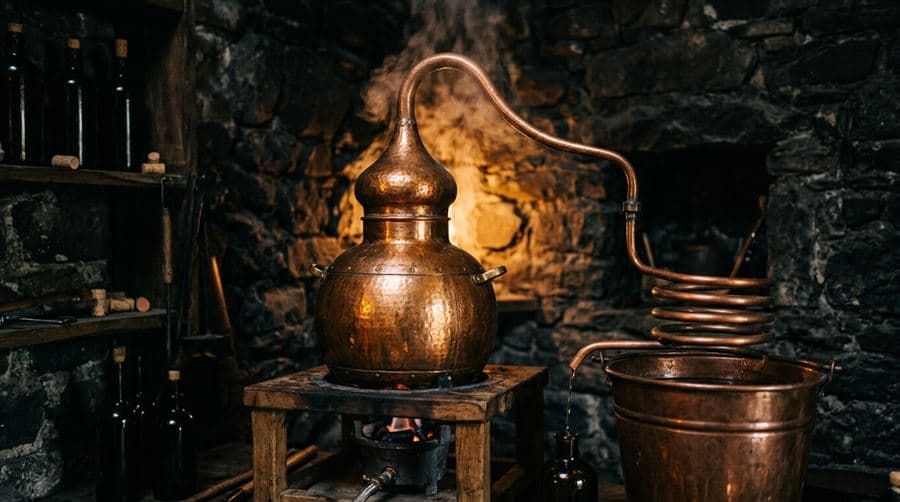
The Art of Attar: The History & Craft of Pure Concentrated Perfume Oils
Centuries before industrial mass perfumery introduced pressurized alcohol sprays, olfactory masters practiced hydro-distillation into pure botanical carrier oils.
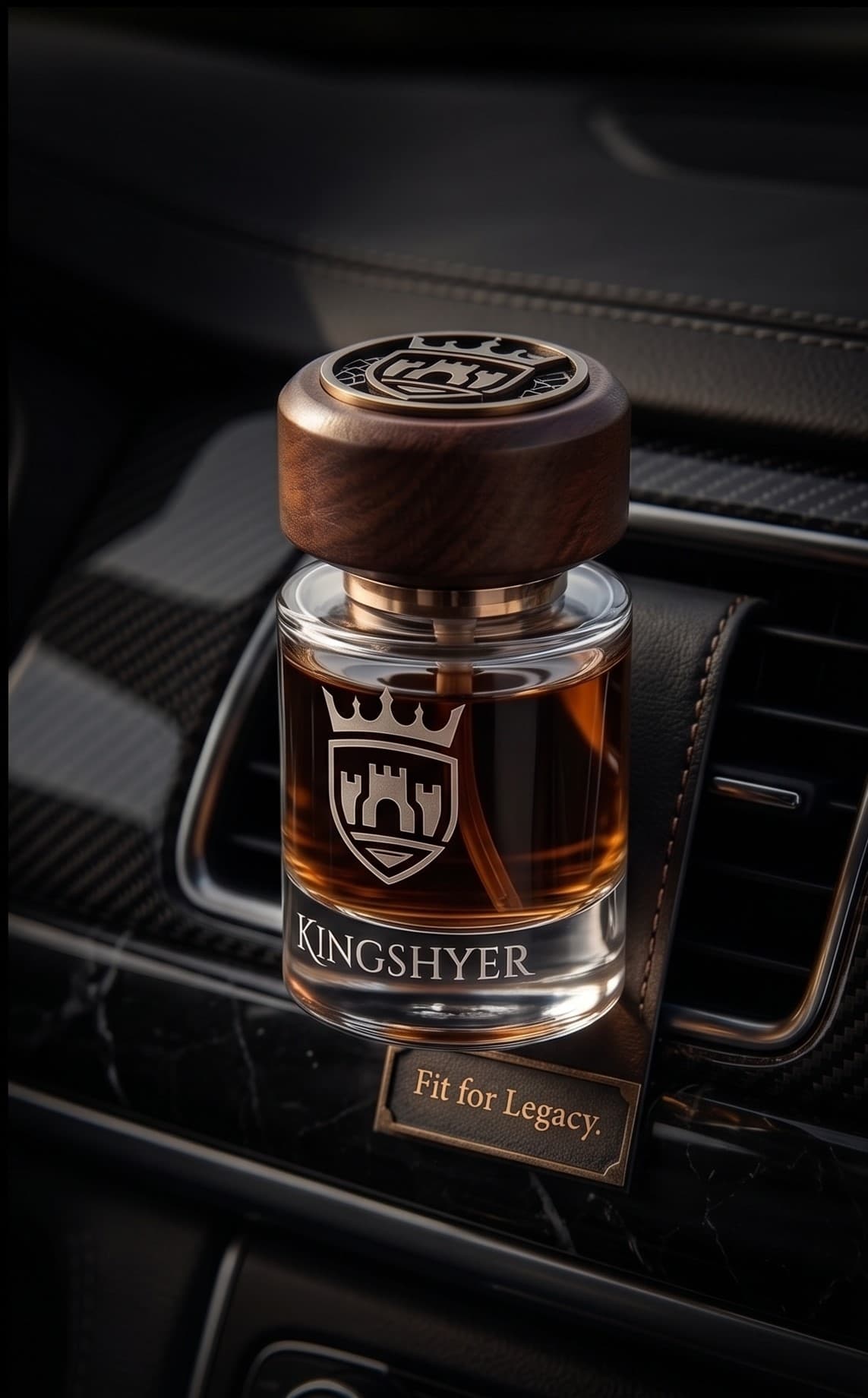
Car Diffusers vs. Traditional Fresheners: The Evolution of Automotive Scent
For decades, automotive scent was dominated by cheap chemical cardboard trees that delivered an overwhelming synthetic blast for two days before drying into useless waste.
The Olfactory Pyramid: Understanding Top, Heart, and Base Notes in Pure Oils
Discover the chemistry of olfactory volatility. Understand why pure concentrated oils bloom differently than mass-market alcohol colognes across the fragrance pyramid.